Unlock Freshness: Master Crisper Drawers for Longer Produce
There's nothing quite as satisfying as a refrigerator brimming with vibrant, fresh produce. It promises healthy meals, delicious flavors, and a feeling of well-being. However, that satisfaction can quickly turn to frustration when those crisp greens wilt, berries mold, or avocados brown before you even get a chance to enjoy them. If you've ever felt discouraged by premature produce spoilage, you're not alone. The good news is that keeping your fruits and vegetables fresher for longer isn't a mystery; it's a science, and much of it boils down to understanding how to organize your refrigerator with produce boxes, especially those often-underestimated crisper drawers.
A well-organized refrigerator isn't just about aesthetics or convenience; it's a powerful tool for food preservation. By strategically arranging your produce, you can significantly extend its shelf life, reduce food waste, and save money. This comprehensive guide will transform the way you approach produce storage, turning your fridge into a sanctuary of freshness.
Understanding Your Fridge's Microclimates: More Than Just "Cold"
The first step in mastering how to organize your refrigerator with produce boxes is to recognize that your fridge isn't a uniform arctic zone. Instead, it's a landscape of varying temperatures and humidity levels, each offering a unique microclimate suitable for different types of food. Forgetting this fundamental principle is one of the most common mistakes people make when attempting to optimize their refrigerator for freshness.
- The Door: This is generally the warmest section of your fridge, due to frequent opening and closing. It's best reserved for stable items that are less prone to spoilage from temperature fluctuations, like condiments, jams, and certain beverages.
- Top Shelves: These shelves are typically slightly warmer than the bottom, making them ideal for leftovers, ready-to-eat foods, and dairy products like yogurt and cheese.
- Middle Shelves: A good all-rounder for eggs, deli meats, and cooked dishes.
- Bottom Shelf: This is usually the coldest part of your refrigerator. It's the perfect spot for raw meats, poultry, and fish, as its low temperature helps prevent bacterial growth, and its position minimizes the risk of drips contaminating other foods.
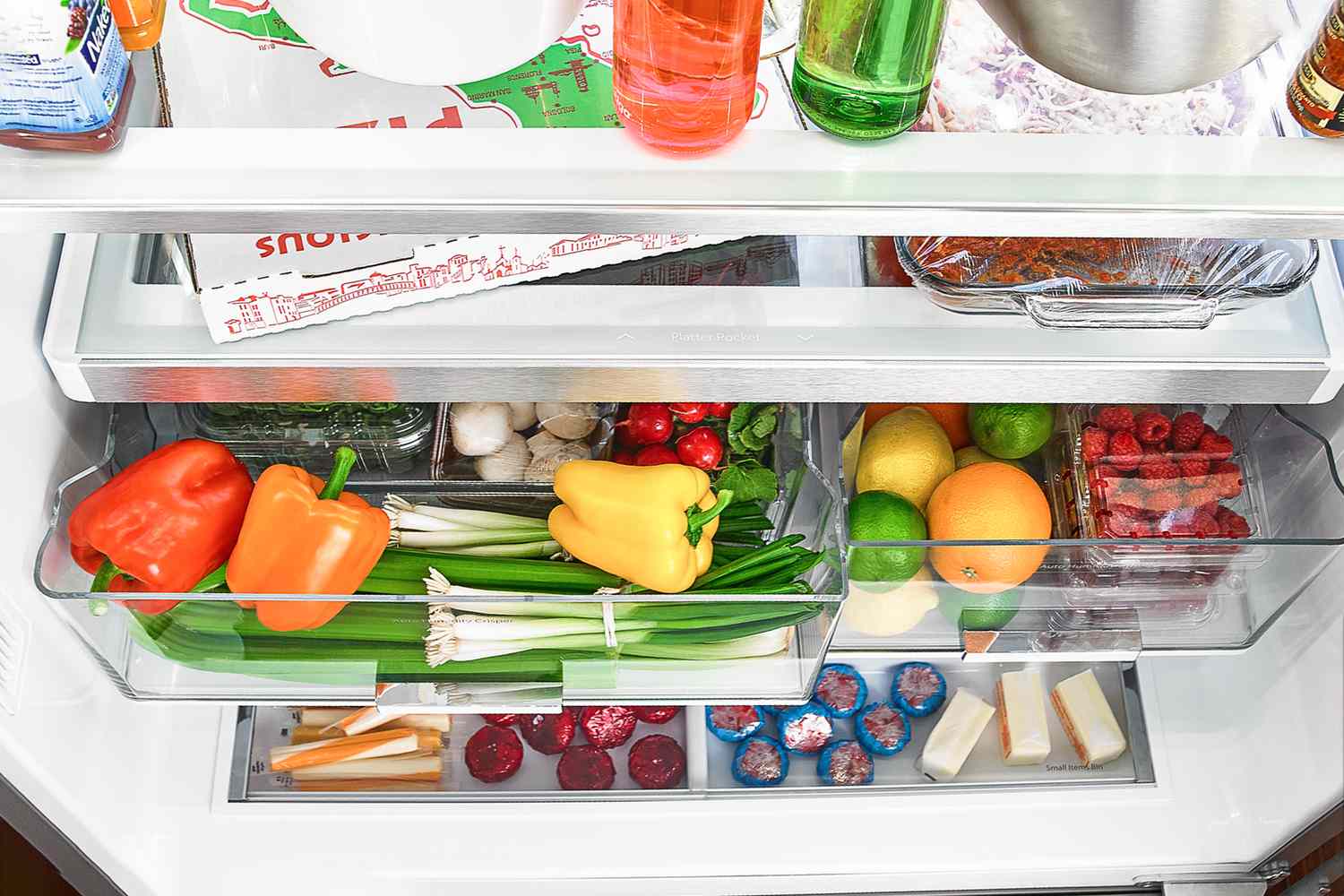
- Crisper Drawers: These are specifically engineered to create controlled environments for your fresh produce, managing both temperature and, crucially, humidity. They are the unsung heroes in the quest for longer-lasting fruits and vegetables, and the key to understanding Fridge Organization Secrets: Keep Produce Fresh & Reduce Waste.
The Power of Crisper Drawers: Your Produce's Best Friend
Crisper drawers are not merely glorified storage bins; they are precision instruments designed to optimize the longevity of your produce. To truly master how to organize your refrigerator with produce boxes, you must understand their function.
What Makes Crispers Special?
These dedicated drawers offer several benefits that standard shelves cannot:
- Humidity Control: Most crisper drawers come with adjustable sliders that allow you to set them to "high humidity" or "low humidity." This is paramount because different produce items thrive under different moisture levels.
- Temperature Stability: Located at the bottom of the fridge, crispers benefit from the coldest, most stable temperatures, protecting delicate produce from temperature swings.
- Protection and Airflow: They provide a contained environment that protects produce from drying out, while still allowing enough airflow to prevent excessive moisture build-up that can encourage bacterial growth and spoilage.
High Humidity Heroes
The high humidity setting (usually with the vent almost closed) is ideal for produce that wilts easily due to moisture loss. These items typically have thin skins and benefit from a more humid environment to stay crisp and fresh. Think of it as a hydration station for your greens!
- Leafy Greens: Spinach, lettuce, kale, collard greens, Swiss chard.
- Cruciferous Vegetables: Broccoli, cauliflower, Brussels sprouts, cabbage.
- Root Vegetables (unwrapped): Carrots, celery, radishes, beets, asparagus.
- Herbs (some): Cilantro, parsley (often best with stems in a bit of water).
Pro Tip: For leafy greens, wrap them loosely in a damp paper towel before placing them in the high-humidity crisper to boost their longevity.
Low Humidity Lovers
The low humidity setting (with the vent open) is perfect for produce that can rot or degrade quickly if exposed to too much moisture. These items often have thicker skins and can release gases that accelerate spoilage if trapped in a humid environment.
- Fruits: Apples, pears, citrus fruits (oranges, lemons, limes, grapefruits), grapes, berries (store gently, unwashed).
- Vegetables: Bell peppers, cucumbers, green beans, summer squash, corn.
Important Note: While some produce likes the fridge, others prefer room temperature. Winter squashes, potatoes, onions, garlic, and bananas should be stored outside the fridge. Mangoes are best at room temperature until ripe, then moved to the fridge. Potatoes like cool, dark, high-humidity spots (not the fridge!), while onions prefer cool, dark, low-humidity.
The Ethylene Effect: Separating Friends and Foes
Beyond humidity, understanding how produce interacts chemically is vital for how to organize your refrigerator with produce boxes. Some fruits and vegetables emit a natural ripening gas called ethylene. While ethylene is essential for ripening, it can also accelerate the spoilage of sensitive produce stored nearby. This is a critical factor in extending the life of your fresh items.
- Enthusiastic Ethylene Producers: These items give off significant amounts of ethylene gas. Keep them separate from sensitive produce to prevent premature ripening and spoilage. Major producers include apples, bananas (especially ripe ones), melons (cantaloupe, honeydew), avocados, peaches, plums, tomatoes, and grapes.
- Ethylene-Sensitive Produce: These items are highly susceptible to the effects of ethylene gas and will ripen and spoil much faster if stored near producers. This group includes broccoli, Brussels sprouts, cabbage, carrots, cucumbers, eggplant, leafy greens, and berries.
To truly maximize freshness, it’s smart to devote one crisper drawer (ideally on a low humidity setting if applicable) to ethylene-producing items and another to sensitive items like berries and greens. This separation is key to preventing a domino effect of spoilage. For a deeper dive into this topic, explore Stop Spoilage: Arrange Produce by Ethylene for Peak Freshness.
Beyond Crispers: A Holistic Approach to Fridge Organization
While crisper drawers are fundamental, optimizing your entire refrigerator ecosystem will yield the best results for extending produce life and overall food freshness.
Pre-Storage Prep & Cleaning
Before you begin the organization process, a thorough clean-out is essential. Empty your fridge, discard any expired or spoiled items, and give the interior a good scrub. A clean fridge minimizes bacteria and odors, creating a healthier environment for your food.
- Don't Wash Until Ready: For most produce, especially berries and greens, avoid washing them until just before use. Excess moisture can accelerate spoilage.
- Proper Wrapping: Wrap cut vegetables or delicate greens in a damp paper towel and place them in an airtight container. Some herbs benefit from being stored upright in a glass of water, covered loosely with a plastic bag.
Smart Storage Solutions
To truly master how to organize your refrigerator with produce boxes and beyond, incorporate strategic tools:
- Clear Containers and Bins: These are game-changers. Clear containers allow you to see what you have at a glance, preventing forgotten items from languishing in the back. They also keep things tidy and prevent cross-contamination.
- Lazy Susans: A revolving turntable can transform a deep shelf or corner into an easily accessible space, ensuring that no item gets lost in the abyss.
- "Eat Me First" Zone: Designate a visible spot, perhaps a clear bin on a middle shelf, for items that are nearing their expiration date or are about to go bad. This encourages you to prioritize their consumption and reduces waste.
- First-In, First-Out (FIFO): Practice rotating your stock. Place newer items at the back and move older items to the front, ensuring you use things before they spoil.
Common Produce Storage Mistakes to Avoid
Even with the best intentions, some common habits can inadvertently shorten the life of your produce:
- Refrigerating Everything: Not all produce belongs in the fridge. Potatoes, onions, garlic, whole winter squash, and unripe tropical fruits (like bananas and mangoes) prefer cool, dark, and often dry environments outside the fridge.
- Washing Produce Too Soon: Unless you're eating it immediately, washing produce beforehand can introduce moisture that promotes bacterial growth and mold.
- Overstuffing Crispers: Give your produce room to breathe. Overfilling crisper drawers can restrict air circulation and compromise humidity control, leading to faster spoilage.
- Ignoring Ethylene Separation: Storing ethylene producers next to sensitive items is a surefire way to accelerate spoilage for the latter. Always separate them!
- Forgetting About Your Produce: Out of sight, out of mind is the enemy of fresh food. Use clear containers and maintain an organized system so you always know what you have.
Conclusion
Mastering how to organize your refrigerator with produce boxes, particularly your crisper drawers, is a simple yet incredibly effective way to unlock the full potential of your fresh produce. By understanding the nuances of temperature, humidity, and ethylene gas, you can create an optimal environment that extends shelf life, preserves nutrients, and enhances flavor. A little effort in organization goes a long way in reducing food waste, saving money, and ensuring that every healthy meal starts with the freshest ingredients. Take the plunge, reorganize your fridge, and savor the satisfaction of consistently vibrant, long-lasting produce.
