Stop Spoilage: Arrange Produce by Ethylene for Peak Freshness
There's nothing quite as disheartening as reaching for a vibrant bunch of greens or a perfectly ripe avocado, only to find it's gone bad before its time. We all strive to fill our kitchens with fresh, healthy produce, yet often fall prey to the dreaded early spoilage. The good news? You can dramatically extend the life of your fruits and vegetables simply by understanding a little science and rethinking how to organize your refrigerator. One of the most common pitfalls isn't just random placement, but rather neglecting the invisible gas that dictates ripening and, ultimately, rot: ethylene.
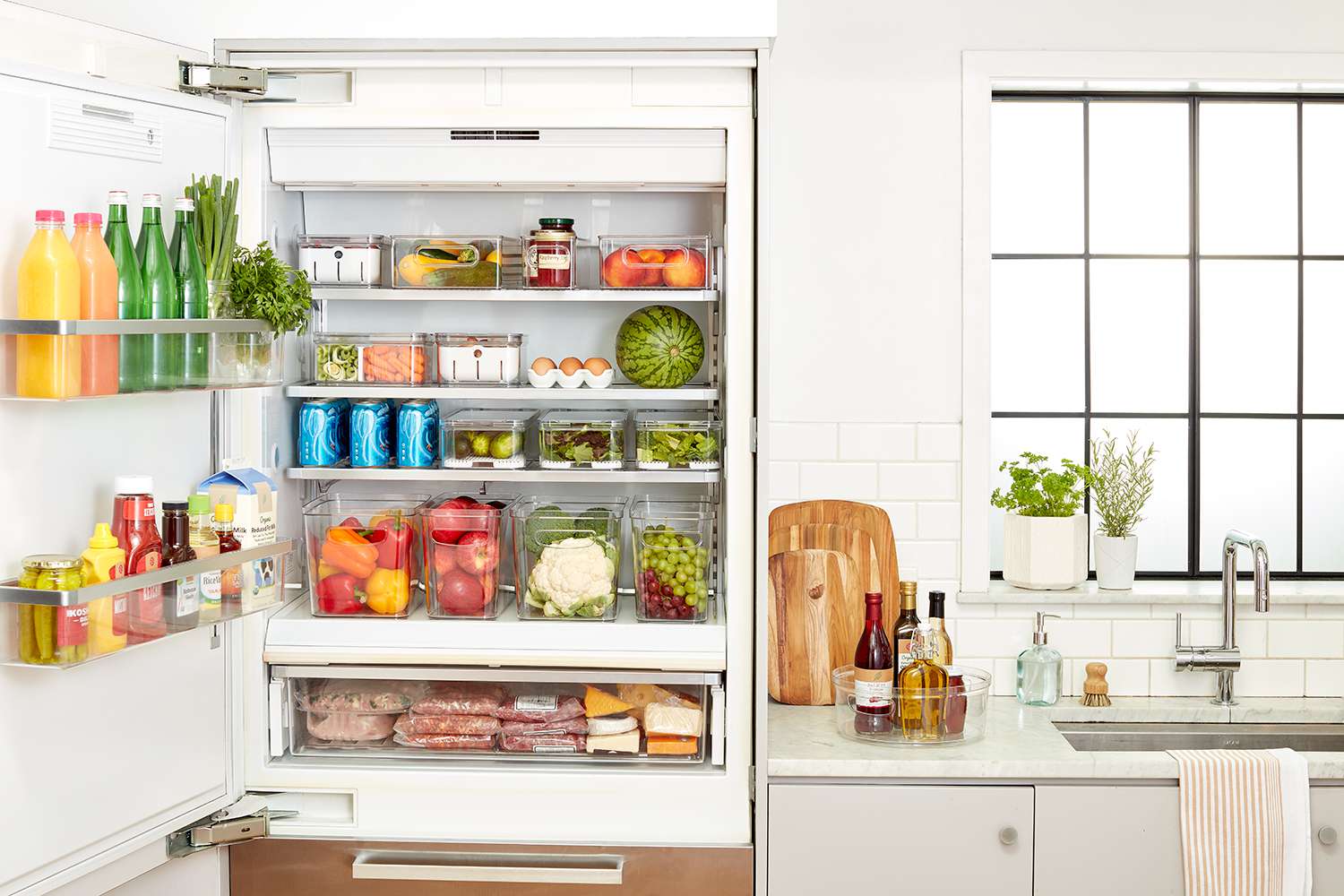
If you're looking for practical solutions on how to organize your refrigerator with produce boxes to maximize freshness, you've come to the right place. It's not just about tidiness; it's about creating an optimal microclimate for each item. By strategically arranging your produce based on its ethylene production and sensitivity, you can stop spoilage in its tracks and enjoy your healthy groceries for longer.
The Invisible Ripener: Understanding Ethylene Gas
Ethylene is a natural plant hormone that plays a crucial role in the ripening process of many fruits and vegetables. While essential for transforming a hard, green tomato into a juicy red one, it can also be a silent saboteur of freshness if not managed correctly. Some produce items are prolific ethylene producers, releasing significant amounts of this gas into their surroundings. Others are highly sensitive to ethylene, meaning exposure to even small amounts can accelerate their ripening and eventual decay.
Ethylene Producers vs. Ethylene-Sensitive Produce: Know the Difference
Separating these two groups is the cornerstone of effective produce organization. Imagine a rotten apple spoiling the whole barrel – that's ethylene in action. Here's a breakdown of common culprits and victims:
- Major Ethylene Producers: These items release significant amounts of ethylene and should generally be stored apart from sensitive produce.
- Apples (especially ripe ones)
- Avocados
- Bananas (especially ripe ones)
- Cantaloupe & Honeydew Melons
- Grapes
- Kiwifruit
- Mangoes
- Peaches, Pears, Plums, and other Stone Fruits
- Tomatoes
- Onions (though they prefer different humidity levels, they are producers)
- Ethylene-Sensitive Produce: These items ripen and spoil faster when exposed to ethylene gas.
- Asparagus
- Broccoli
- Brussels Sprouts
- Cabbage
- Carrots
- Cauliflower
- Cucumbers
- Eggplant
- Leafy Greens (spinach, kale, lettuce)
- Peas
- Peppers
- Potatoes
- Squash (winter and summer)
- Sweet Potatoes
- Watermelon
The key takeaway? Keep your ethylene producers and ethylene-sensitive items in separate produce boxes or crisper drawers whenever possible. This simple act can add days, even weeks, to the life of your groceries.
Beyond Ethylene: Strategic Placement for Overall Freshness
While ethylene management is critical, it's just one piece of the puzzle. Your refrigerator isn't a uniformly cold box; it has distinct temperature and humidity zones. Understanding these zones and matching them to your produce's needs is vital for comprehensive freshness.
Temperature Zones: Where Does What Belong?
- The Door: This is the warmest spot in your fridge due to frequent opening. It's best for stable items like condiments, sauces, and beverages. Produce should generally avoid the door.
- Top Shelf: Slightly warmer than the lower shelves, suitable for leftovers, deli meats, and pre-prepped foods.
- Middle Shelves: Consistent, moderate temperature ideal for dairy, eggs, and cooked foods.
- Bottom Shelf: The coldest spot in your fridge, making it ideal for raw meat, poultry, and fish to prevent cross-contamination and ensure maximum chill. Some hardy vegetables like carrots or celery, if properly contained, can also do well here.
- Crisper Drawers: These are your produce powerhouses! They are designed to maintain specific humidity levels, making them perfect for most fruits and vegetables. More on these below.
Humidity Control with Crisper Drawers and Produce Boxes
Your crisper drawers aren't just for organization; they're environmental control centers. Most fridges have two:
- High-Humidity Drawer: Often has a slider set to "closed." This is perfect for leafy greens (spinach, kale, lettuce), carrots, broccoli, and other vegetables that wilt easily. The trapped moisture keeps them crisp.
- Low-Humidity Drawer: Often has a slider set to "open." This is better for fruits and vegetables that can rot from too much moisture, like apples, pears, and bell peppers. The open vent allows some moisture to escape.
This is where understanding how to organize your refrigerator with produce boxes truly shines. If you only have one crisper, or want to further segregate items, consider dedicated plastic or glass produce boxes. These containers can create individual microclimates and are excellent for separating ethylene producers from sensitive items. For instance, store your apples in a separate sealed container (a produce box!) in the low-humidity drawer, and your broccoli in another in the high-humidity drawer, effectively creating more "crispers" within your fridge.
Remember, not all produce belongs in the fridge! Potatoes, onions (store separately in cool, dark, dry places), winter squash, and unripe bananas thrive at room temperature. Ripe tomatoes often taste best if kept on the counter, but can be moved to the fridge for extended storage if they are fully ripe and you consume them soon after. Mangoes and avocados ripen on the counter and then move to the fridge to extend their ripeness.
Your Refrigerator Organization Toolkit & Best Practices
Before you embark on your produce-organizing journey, a clean slate is essential. Start by giving your fridge a thorough cleaning, removing any expired or spoiled items, and scrubbing down all surfaces. This prevents lingering odors and bacteria from affecting your fresh groceries.
Essential Tools for an Organized Fridge:
- Clear Bins and Produce Boxes: These are invaluable. They allow you to categorize items, prevent rolling, and make it easy to see what you have. Use them to create dedicated zones for ethylene producers, sensitive items, or specific meal prep components. Look for BPA-free plastic or glass options with good seals.
- Lazy Susans/Turntables: Perfect for corners or deeper shelves, a lazy Susan prevents forgotten items by bringing everything into view with a spin.
- Labels: Clear labels (even masking tape and a marker) can help you and your family quickly identify contents and expiration dates, especially for prepped ingredients.
- Drawer Dividers: If your crispers are large, dividers can help keep items from commingling.
Golden Rules for Fridge Organization:
- First-In, First-Out (FIFO): Always place older items towards the front and newer items towards the back. This ensures you use up what's perishable first, drastically reducing waste.
- Designate a "Use Me First" Zone: A small bin or shelf dedicated to items that are nearing their prime. This acts as a visual cue to prioritize these ingredients in your meal planning.
- Don't Overpack: Air circulation is crucial for maintaining consistent temperatures. An overcrowded fridge can lead to warmer spots and faster spoilage.
- Wash & Dry When Ready: For many items, especially berries, washing them before storage can introduce excess moisture and encourage mold. Wash them right before consumption. However, for greens, a quick wash, thorough drying (a salad spinner is key!), and then storing in a produce box lined with a paper towel can often extend their life.
Implementing these strategies for refrigerator organization, especially by understanding ethylene and utilizing produce boxes, transforms your fridge from a mere cooler into a sophisticated preservation system. It's about being proactive rather than reactive, ensuring your healthy choices stay fresh and delicious.
Conclusion
Mastering the art of produce storage, particularly by understanding the nuances of ethylene gas and utilizing strategic organization methods, is a game-changer for any kitchen. By separating ethylene producers from sensitive items, optimizing temperature and humidity with crisper drawers and dedicated produce boxes, and adopting smart organizational tools, you can significantly extend the life of your fresh fruits and vegetables. This not only cuts down on food waste and saves you money but also encourages healthier eating habits by ensuring your ingredients are always ready when you need them. Take the leap, reorganize your fridge, and enjoy peak freshness every day!
