Fridge Organization Secrets: Keep Produce Fresh & Reduce Waste
Stocking your kitchen with a vibrant array of fresh fruits and vegetables is a cornerstone of healthy eating. There's nothing quite like planning wholesome meals knowing you have a bounty of nutritious ingredients at your fingertips. However, the joy can quickly turn to frustration when that carefully chosen produce wilts, molds, or spoils before you even have a chance to enjoy it. The good news? You're not alone in this culinary conundrum, and the solution doesn't lie in giving up on fresh foods. Instead, the secret to extending the life of your fresh produce and significantly reducing food waste is simpler than you might think: it’s all in
how to organize your refrigerator with produce boxes.
An intelligently arranged refrigerator is more than just aesthetically pleasing; it’s a powerhouse for freshness, a shield against spoilage, and a silent partner in your health goals. By understanding the unique microclimates within your fridge and the specific needs of different fruits and vegetables, you can transform your refrigeration habits from a guessing game into a precise science. This comprehensive guide will arm you with the knowledge and actionable strategies to keep your produce crisp, vibrant, and ready for consumption, saving you money and minimizing waste along the way.
Understanding Your Fridge's Zones: Not All Cold is Created Equal
Before diving into the specifics of produce storage, it's vital to recognize that your refrigerator isn't a uniformly cold box. Different areas within your fridge maintain varying temperatures and humidity levels, creating distinct "zones." Forgetting this fundamental principle is one of the most common mistakes leading to premature spoilage.
*
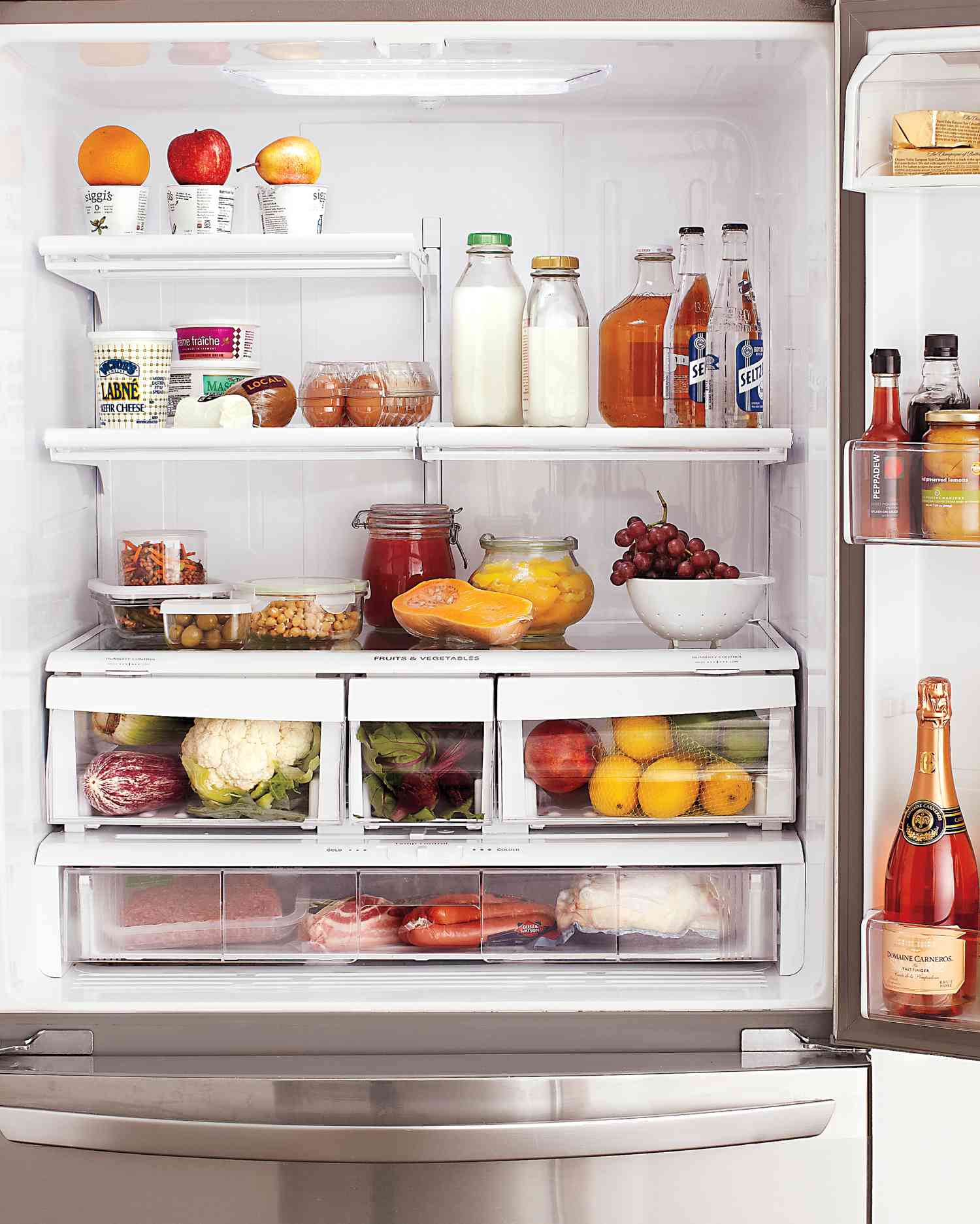
The Door: This is generally the warmest spot in your fridge, as it’s exposed to room temperature air every time it’s opened. It’s ideal for less perishable items like condiments, sauces, and beverages that can withstand slight temperature fluctuations.
*
Upper Shelves: These shelves tend to be more stable and slightly warmer than the bottom, making them perfect for leftovers, ready-to-eat foods, and cooked items.
*
Middle Shelves: Dairy products like milk, cheese, and yogurt thrive here, along with eggs, which appreciate a consistent, cool temperature.
*
Bottom Shelf: This is typically the coldest part of your refrigerator. It’s the safest place to store raw meats, poultry, and fish. Placing these items on the lowest shelf also prevents any potential drips from contaminating other foods below.
*
Crisper Drawers: These specialized "produce boxes" are the unsung heroes of your fridge, designed to control humidity and provide optimal conditions for many fruits and vegetables. We'll delve deeper into their crucial role shortly.
Embarking on a fridge reorganization journey offers the perfect opportunity for a fresh start. Before anything else, empty your refrigerator, toss any expired or spoiled items, and give the interior a thorough cleaning. A clean slate not only feels great but also ensures a hygienic environment for your fresh food.
The Science of Produce Storage: Temperature, Humidity, and Ethylene
The longevity of your produce hinges on understanding a few key scientific principles related to how different plants behave after harvest.
Room Temperature vs. Refrigeration: Knowing Where to Store
Not all produce belongs in the fridge right away. Some items actually prefer the ambient temperature of your kitchen counter or pantry until they ripen or are ready for use.
*
Room Temperature Dwellers: Winter squashes (like butternut or spaghetti squash), potatoes, onions, and bananas are best stored outside the refrigerator in a cool, dark place. Potatoes thrive in high humidity, while onions prefer low humidity, so keep them separate.
*
Ripen-First, Then Refrigerate: Fruits like avocados, mangoes, and stone fruits (peaches, plums) should be left at room temperature to ripen. Once ripe, you can move them to the fridge to extend their freshness for a few extra days.
*
Always Refrigerate: Most berries, leafy greens, carrots, celery, and many types of citrus are happiest in the cold, where their metabolism slows down, delaying spoilage.
Harnessing the Power of Crisper Drawers (Your Produce Boxes)
When it comes to
how to organize your refrigerator with produce boxes, crisper drawers are your primary tool. These drawers are specifically engineered to maintain different humidity levels, making them ideal for storing various types of produce. Many modern refrigerators feature two crisper drawers, often with adjustable humidity sliders.
*
High-Humidity Drawer: Set the vent almost closed. This drawer is perfect for leafy greens (spinach, lettuce, kale), broccoli, Brussels sprouts, carrots, cucumbers, and other vegetables that wilt easily. The higher humidity helps retain moisture, keeping them crisp.
*
Low-Humidity Drawer: Keep the vent open. This setting is ideal for produce that can rot in excessive moisture, such as apples, pears, and many fruits that emit ethylene gas (more on that below).
To truly master these invaluable compartments, delve deeper into their potential with our guide:
Unlock Freshness: Master Crisper Drawers for Longer Produce. By leveraging these dedicated produce boxes correctly, you create optimal environments that significantly extend the shelf life of your fruits and vegetables.
The Ethylene Effect: Separating Friends from Foes
One of the most crucial, yet often overlooked, aspects of produce organization is the impact of ethylene gas. Ethylene is a natural plant hormone that certain fruits and vegetables emit as they ripen, which can then accelerate the ripening and eventual spoilage of other produce stored nearby.
*
Major Ethylene Producers: Apples, bananas, cantaloupe, honeydew, peaches, plums, avocados (when ripening), tomatoes, and onions are significant ethylene emitters.
*
Ethylene-Sensitive Produce: Broccoli, Brussels sprouts, cabbage, carrots, cauliflower, cucumbers, eggplant, leafy greens, and most berries are particularly sensitive to ethylene. Exposure can cause them to yellow, soften, or spoil rapidly.
The golden rule is to separate ethylene-producing items from ethylene-sensitive ones. If you have two crisper drawers, consider dedicating one to ethylene producers and the other to sensitive items. This strategic separation is key to preventing a chain reaction of spoilage within your fridge. For an in-depth understanding of this phenomenon, explore our article:
Stop Spoilage: Arrange Produce by Ethylene for Peak Freshness.
A Step-by-Step Guide to Organizing Your Fridge for Maximum Freshness
Now that you understand the science, let's put it into practice with a clear, actionable plan for
how to organize your refrigerator with produce boxes and beyond.
Step 1: The Great Purge and Cleanse
Begin by completely emptying your refrigerator. Discard anything that's past its prime, mystery leftovers, or expired items. Once cleared, give the interior a thorough wipe-down with warm, soapy water or a natural cleaner. This provides a clean, odor-free environment for your fresh foods.
Step 2: Zone Allocation and Strategic Placement
With a clean fridge, it's time to reintroduce your food with purpose.
*
Door: Condiments, sauces, jams, butter.
*
Upper Shelves: Leftovers, ready-to-eat meals, drinks.
*
Middle Shelves: Dairy (milk, yogurt, cheese), eggs.
*
Bottom Shelf: Raw meats, poultry, and seafood (ensure they are properly sealed to prevent cross-contamination).
*
Crisper Drawers (Your Primary Produce Boxes):
*
High Humidity: Leafy greens (pre-washed and dried, stored in breathable bags or containers), carrots, celery, broccoli, cauliflower, cucumbers, peppers.
*
Low Humidity: Apples, pears (keep separate from sensitive items if possible), stone fruits (once ripe), grapes.
*
Ethylene Separation: If you only have one crisper drawer, use clear containers or dedicated "produce boxes" within the drawer to create barriers between ethylene producers and sensitive items. For example, keep apples in one clear container and broccoli in another.
Step 3: Smart Storage Solutions Beyond the Drawers
While crisper drawers are central, other tools can elevate your fridge organization:
*
Clear Containers and Bins: These are invaluable for keeping similar items together, preventing spills, and making everything visible. When you can easily see what you have, you’re more likely to use it before it spoils. Consider using clear, stackable "produce boxes" or bins for pre-chopped veggies or ready-to-snack fruits.
*
Labels: Date leftovers and clearly label containers. This simple habit helps you track freshness and prioritize consumption.
*
The "Use First" Zone: Designate a specific shelf or bin for items that are nearing their expiration date or need to be consumed soon. This visual cue acts as a reminder to prioritize these items in your meal planning.
*
Lazy Susans: For deeper shelves, a turntable can prevent forgotten items from languishing at the back, especially for smaller produce like limes or lemons in a designated container.
*
First-In, First-Out (FIFO): A professional kitchen principle, arrange new groceries behind older ones of the same type. This encourages you to use older items first.
Conclusion
Transforming your refrigerator into an organized haven for fresh produce is an investment that pays dividends in various ways. By understanding the varying needs of your fruits and vegetables, leveraging the power of crisper drawers as specialized "produce boxes," and implementing smart organizational strategies, you'll witness a dramatic reduction in food waste. This not only saves you money but also contributes to a more sustainable lifestyle and ensures you always have fresh, healthy ingredients on hand. Embrace these fridge organization secrets, and unlock a new level of freshness and efficiency in your kitchen.